Cacao in Belize:
Heritage, Flavor, and Ritual
Belize sits in the heart of the ancient Maya cacao region, where cacao has been cultivated for more than 3,000 years. Long before chocolate became a global confection, cacao was central to Maya civilization. It functioned as currency, played a role in marriage ceremonies and religious rituals, and was consumed as a spiced, unsweetened beverage reserved for important gatherings.
For the ancient Maya, cacao was not a treat — it was sacred.
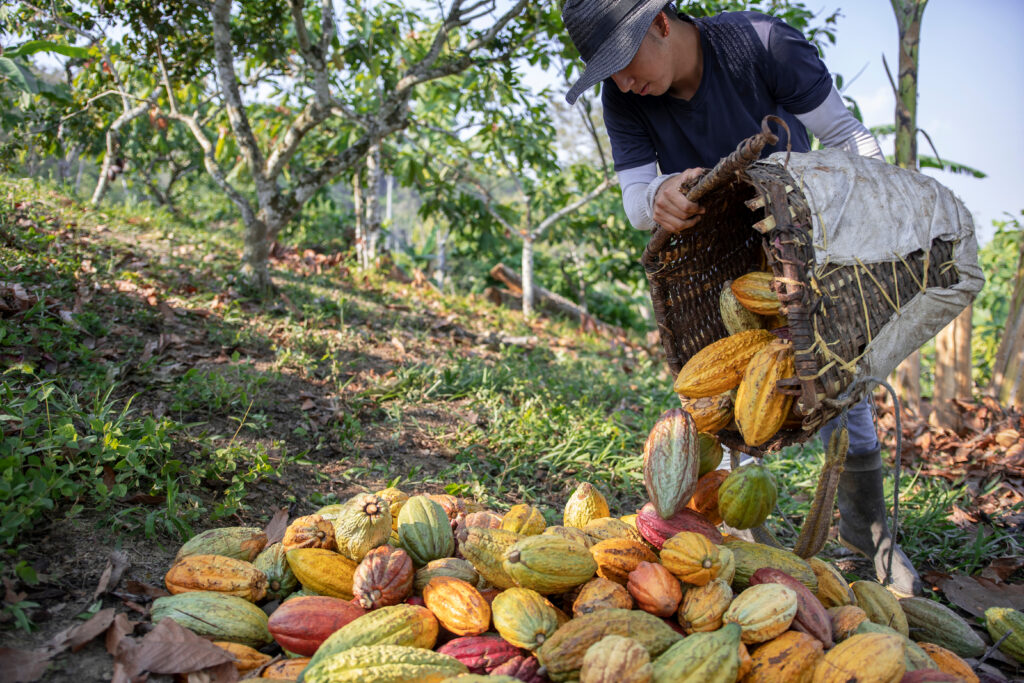
Today, southern Belize remains one of the most culturally intact cacao-growing regions in the Americas. In districts like Toledo, many smallholder farmers — including Q’eqchi’ and Mopan Maya communities — continue to grow cacao using traditional agroforestry methods. Rather than clear-cutting land, cacao trees are cultivated beneath the rainforest canopy alongside other native species. This shade-grown system supports biodiversity, improves soil health, and helps preserve the surrounding ecosystem.
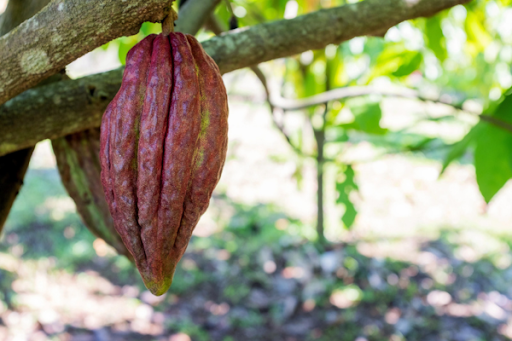
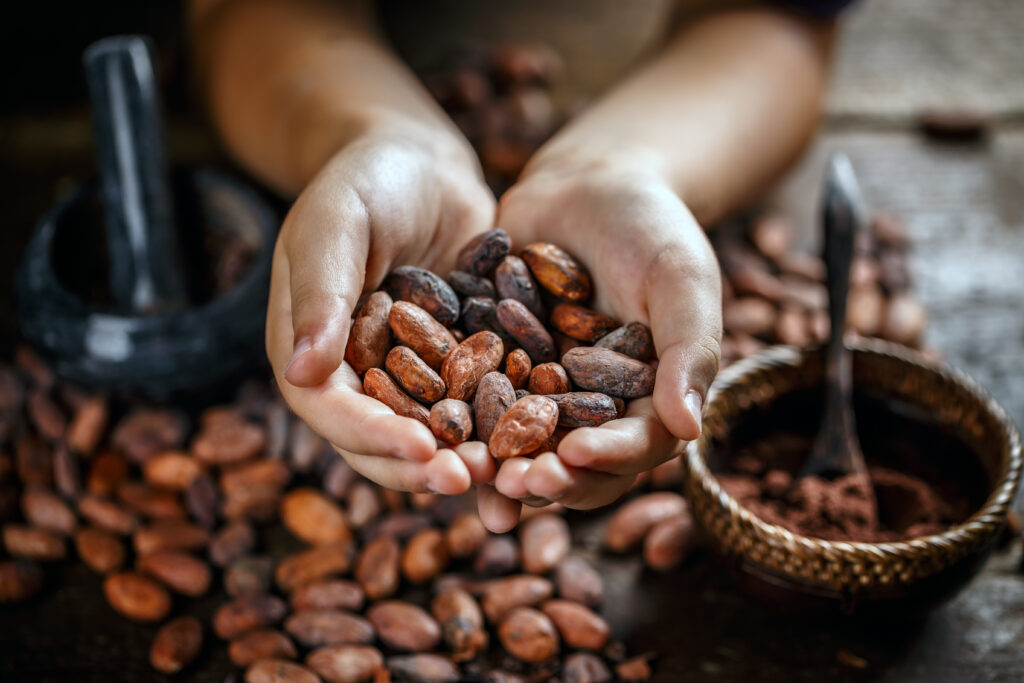
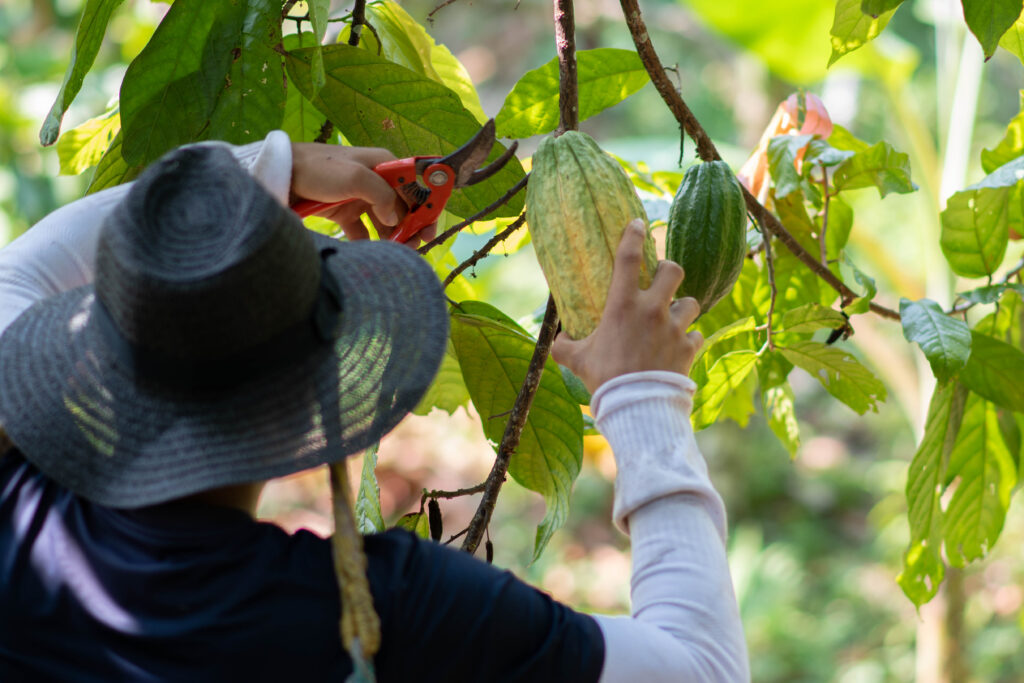
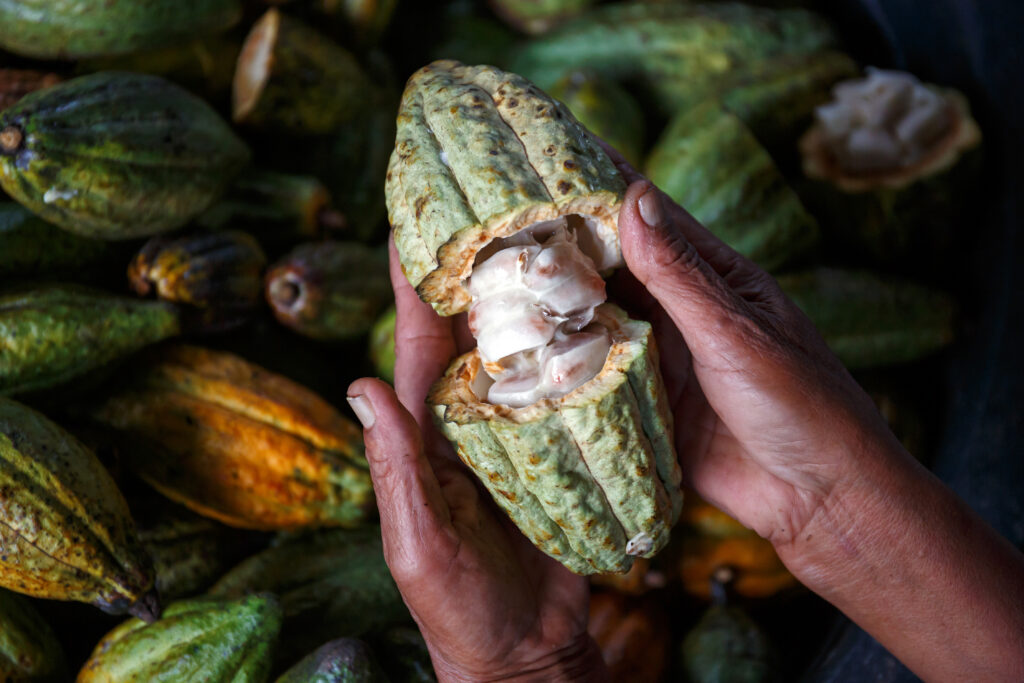
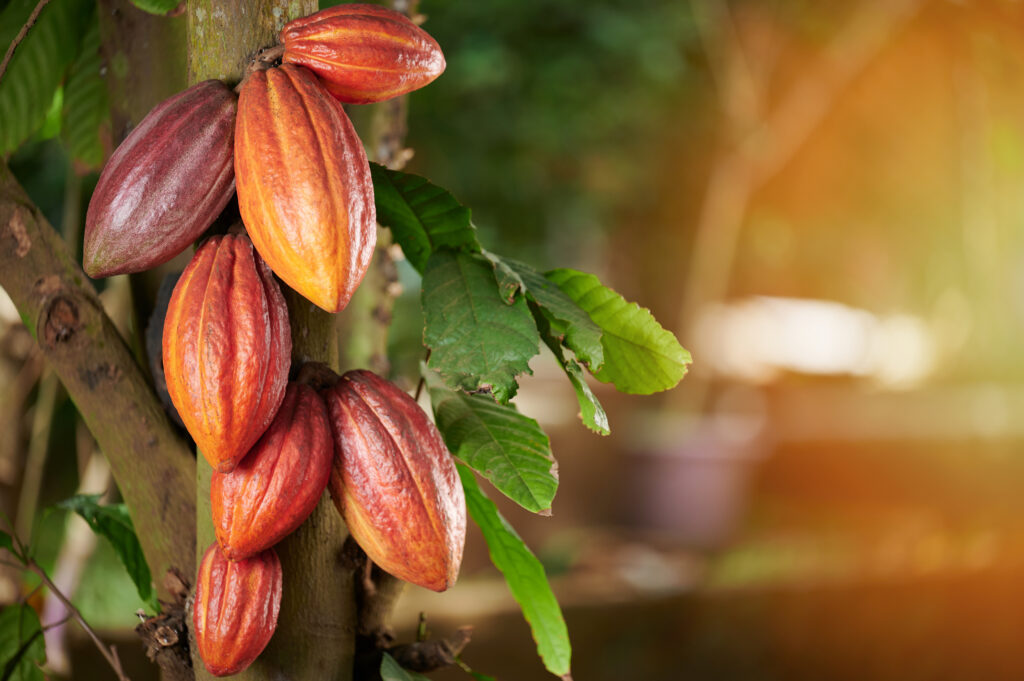
Cacao trees take three to five years to begin producing pods. Each pod is harvested by hand, split open with a machete, and fermented for several days to develop flavor. The beans are then dried in the sun before being sold for chocolate production. The fermentation process is critical — it transforms raw bitterness into the layered notes cacao is known for: earth, dried fruit, spice, and subtle floral tones.
Belizean cacao is especially prized for its fine flavor profile and genetic diversity. Unlike mass-produced commodity cacao, much of Belize’s production remains small-scale and traceable, preserving both quality and heritage.
February, often associated with chocolate, provides an opportunity to look beyond the finished bar and consider its origins. Behind every piece of chocolate is a tree that took years to mature and farmers who rely on sustainable harvests for their livelihoods. In Belize, cacao represents economic opportunity as well as cultural continuity.
Its nickname, “The Food of the Gods,” comes from the scientific name Theobroma cacao — literally translated from Greek as “food of the gods.” The name reflects how deeply cacao has been revered across centuries.
Cacao’s flavor complexity also makes it a natural partner in craft beverages. Historically, cacao was blended with spices and water; today, it continues to pair beautifully with spirits that share an agricultural origin. When combined thoughtfully, cacao’s depth enhances rather than overwhelms — adding structure, subtle bitterness, and aromatic richness.
Whether experienced in traditional drinks, regional cuisine, or a well-made cocktail, cacao carries a sense of ritual. It invites slower preparation and more deliberate tasting. It connects the present moment to a history measured not in decades, but in millennia.
In Belize, cacao remains more than an ingredient. It is a living tradition — rooted in rainforest soil, sustained by farming communities, and woven into the cultural fabric of the country.
Its legacy is not just sweet. It is enduring.
Maya Cacao Old Fashioned
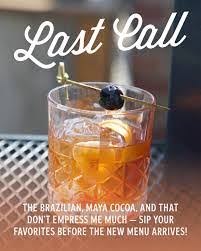
This February, we’re reaching for a Maya Cacao Old Fashioned—a slow, intentional cocktail that leans into warmth, depth, and a little indulgence. Rich chocolate notes meet gentle spice, anchored by a classic Old Fashioned backbone that feels familiar yet elevated. It’s the kind of drink made for winter nights when the lights are low, conversations linger, and there’s nowhere else you need to be. Each sip invites you to pause, breathe, and savor the moment rather than rush past it.
Rooted in cacao’s long, storied history, this cocktail feels both timeless and grounding—comforting without being sweet, bold without overpowering. Simple, balanced, and deeply satisfying, it’s a reminder that sometimes the best luxury is slowing down.